 Skip-the-line available
 The Musée Condé: Highlights of Chantilly's Old-Master Collection
The second-richest old-master collection in France after the Louvre — Raphael, Poussin, Ingres, and the Très Riches Heures du Duc de Berry.
The Musée Condé is the reason art lovers travel to Chantilly. By common reckoning the second-richest collection of antique and old-master paintings in France after the Louvre, it is hung exactly as its creator left it, by his eye rather than by modern chronology, and — uniquely among the great collections — its masterpieces can be seen nowhere else, because the will that bequeathed them forbids them from ever leaving. This guide walks through the highlights, from the dense painting galleries to the treasures of the Cabinet des Livres, and explains what makes the museum so unusual among the world's great collections.
A Collection Frozen in One Man's Taste
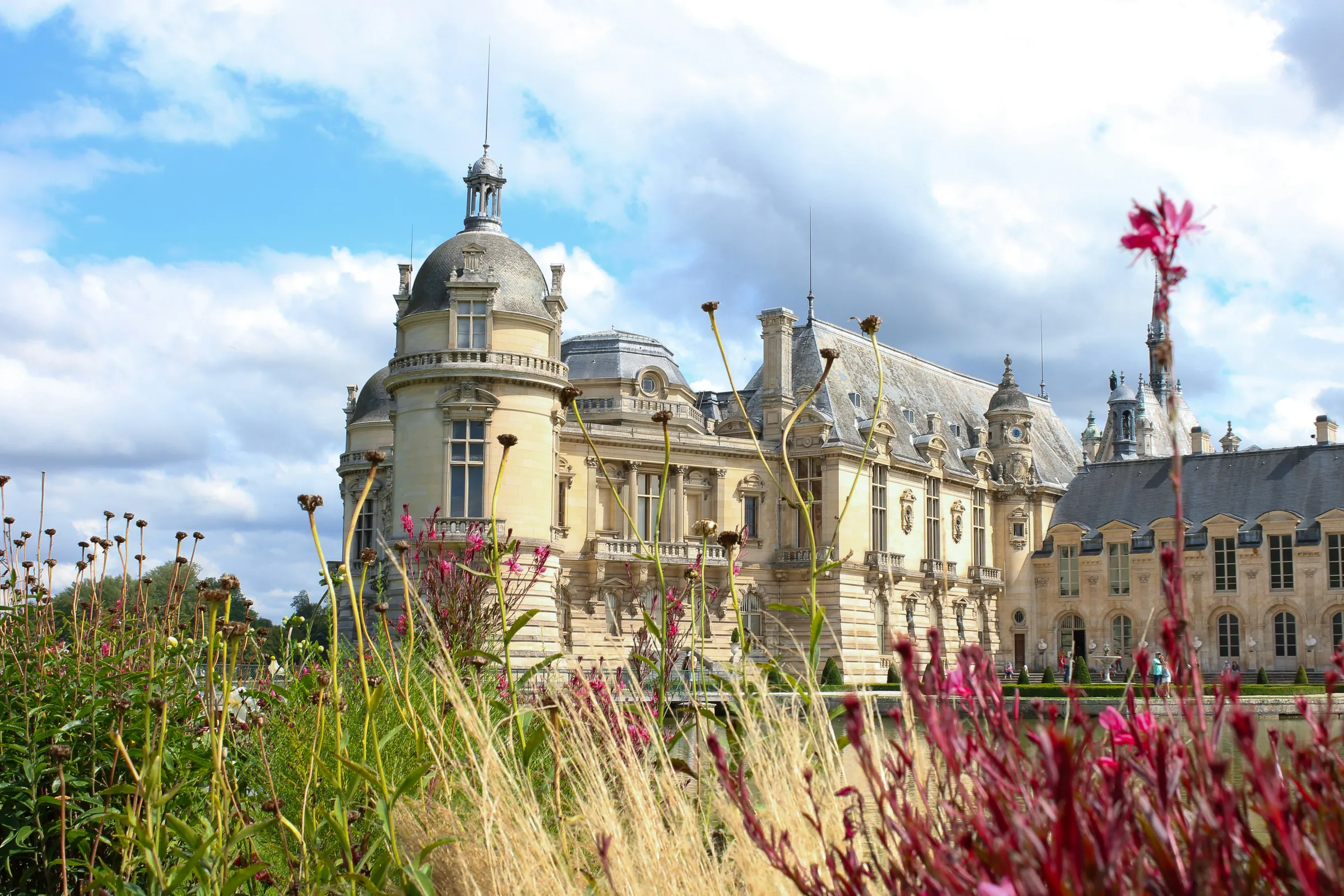
The Musée Condé is the personal collection of Henri d'Orléans, Duc d'Aumale, son of King Louis-Philippe, who rebuilt the château in the 19th century and spent a lifetime gathering paintings, drawings, manuscripts and decorative arts. When he bequeathed the whole domaine to the nation in 1897, he attached one extraordinary condition: that the works be kept exactly as he had hung them — never sold, never lent, never rehung. That condition still holds, so the galleries read not as a modern museum but as the taste of one extraordinary collector, preserved intact.
The result is the dense, frame-to-frame hang of the 19th century, pictures stacked above and beside one another in a way that has all but vanished elsewhere. With around 800 paintings on display, it ranks second only to the Louvre among French collections of old masters. Because the duke's will forbids the works from leaving, the Musée Condé is unique among great collections — its masterpieces are never borrowed for exhibitions in other cities, so to see them at all you must come to Chantilly.
The Old-Master Galleries
The painting galleries are the heart of the museum. Among the masters represented are Raphael, the great Italian Renaissance painter; Nicolas Poussin, the most important French classical painter of the 17th century; Jean-Auguste-Dominique Ingres, the master of the 19th-century neoclassical line; and Eugène Delacroix, the leading figure of French Romanticism. Italian, French, Flemish and Dutch schools are all represented, alongside drawings, sculpture and the decorative arts, so the galleries trace centuries of European art under one roof.
Because the rooms are hung by the duke's eye rather than by period, part of the pleasure is the unexpected juxtaposition — a Renaissance panel beside a 19th-century canvas, masterpieces sharing a wall with lesser-known works the collector loved. Move through slowly; the density rewards a careful look, and the more time you give the galleries, the clearer it becomes why the Musée Condé is spoken of in the same breath as the Louvre. For art-minded visitors this is the highlight of the whole estate.
The Cabinet des Livres and the Très Riches Heures
The duke's library, the Cabinet des Livres, holds the collection's single greatest treasure: the Très Riches Heures du Duc de Berry, the most famous illuminated manuscript of the late Middle Ages. Made in the early 15th century, it is celebrated above all for its calendar pages, which depict the labours and pleasures of the months — sowing, harvesting, courtly feasting — against jewel-bright skies and meticulously rendered châteaux. It is one of the supreme achievements of medieval painting.
Because the manuscript is light-sensitive and irreplaceable, the original is rarely on open display, and visitors usually see a high-quality facsimile alongside the library's other rare books and manuscripts — but its presence is part of what makes Chantilly extraordinary. The Cabinet des Livres is a room to linger in, both for the manuscript's fame and for the atmosphere of a great private library preserved as its owner left it.
How to See the Museum Well
Because château entry is timed, book an early slot to have the galleries at their calmest — the Musée Condé is far better with room to look, and the early hours give you the painting galleries and the Cabinet des Livres before the crowds. Allow at least two hours for the collection alone; the dense hang and the wealth of works reward an unhurried visit, and rushing the museum is the most common regret visitors report.
Pair the galleries with the rest of the estate for a full day: the château's grand apartments, the Great Stables and the Living Museum of the Horse, and the Le Nôtre park. The comfortable pattern is the collection first, while you're fresh, then the stables and the gardens in the afternoon. Photography is permitted in the galleries without flash or tripod, so you can record the frame-to-frame hang that makes the museum so distinctive — though the experience of standing among the masterpieces is the real reward.
Frequently asked
What is the Musée Condé?
The art museum of the Château de Chantilly — by common reckoning the second-richest collection of antique and old-master paintings in France after the Louvre, with around 800 works on display, including pieces by Raphael, Poussin, Ingres and Delacroix.
Why can the collection only be seen at Chantilly?
Because the Duc d'Aumale, who assembled it, willed that the works be kept exactly as he hung them and never sold, lent or rehung. That condition still holds, so the masterpieces travel to no other museum and are seen only at Chantilly.
What is the Très Riches Heures du Duc de Berry?
The most famous illuminated manuscript of the late Middle Ages, made in the early 15th century and celebrated for its calendar pages of medieval life. It is held in the Cabinet des Livres at Chantilly; because it is light-sensitive, visitors usually see a high-quality facsimile.
Which artists are in the collection?
Among the masters are Raphael, Poussin, Ingres and Delacroix, alongside Italian, French, Flemish and Dutch schools and a wealth of drawings, sculpture and decorative arts — all hung in the dense 19th-century manner the duke favoured.
How long should I spend in the Musée Condé?
Allow at least two hours for the collection alone. The dense, frame-to-frame hang and the wealth of works reward an unhurried visit, and rushing the museum is the most common regret visitors report.
Can I photograph the paintings?
Yes — photography is permitted in the galleries without flash or tripod, so you can record the distinctive frame-to-frame hang. The Cabinet des Livres and the painting galleries photograph beautifully.
Is the Musée Condé included in the estate ticket?
Yes — the 1-Day Estate ticket includes the château and the Musée Condé, along with the Great Stables and the park. Château entry is on a timed slot; book early to see the galleries at their calmest.